
 By
By  April 4, 2022
 0
0Kurdistan Travel
“Dig a hole in Kurdistan”, our local guide said, “and you will find a mass grave, oil or antiquities.”
Iraq’s Kurdish citizens, who number approximately five million in this self-governing region, are not Arab and do not speak Arabic. The Kurds are the fourth largest ethnic group in the Middle East, most similar to Persians, and straddle the modern-day borders of Iraq, Iran, Turkey and Syria.
Iraqi Kurdistan is a bit of a contradiction in the region, as on one hand it is located within a country steeped in war and genocide, from which many have fled, and on the other hand it is a regional beacon of stability and safety, with a developed tourism industry. Despite being in Iraq, “there are more opportunities in Kurdistan than in Syria”, one shop owner told me as his Bangladeshi employee translated.
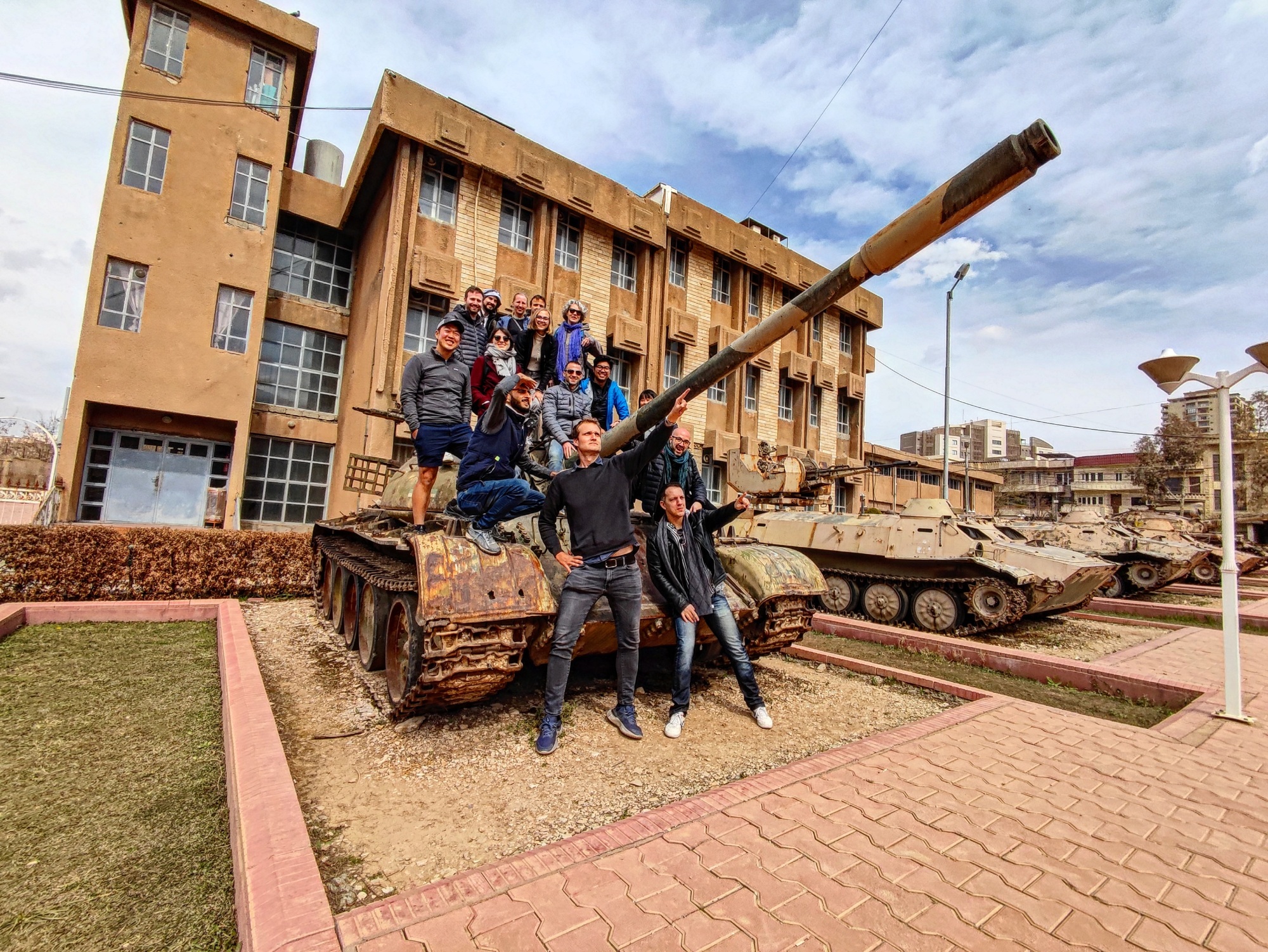
I felt discomfort as an American shortly after entering The Red Prison in Sulaymaniyah. Operational from 1979 until 1991, it was used by the Baathist regime to imprison, torture and execute Kurdish men, women and children suspected of opposing the government. On display are tanks supplied by the US government to Saddam Hussein during the Iraq-Iran War, which he subsequently used against his Kurdish citizens. Despite the initial support for Saddam Hussein, the Kurds are ultimately grateful to the US for liberating them from his genocidal clutches.
We entered the museum through the Hall of Mirrors, whose walls are adorned with 182,000 shards of glass, representing the number of victims killed by Saddam Hussein’s soldiers during the late-1980s during a campaign known as the Anfal, meaning “Spoils of War ” in Arabic.
A new section of the museum honours Kurdish soldiers who were martyred in the fight against ISIS, including female fighters, whom ISIS feared most. In the city of Duhok, we had breakfast at a cafe where the walls are adorned from top to bottom with photos of Kurdish soldiers killed fighting ISIS, with 25% of the cafe’s profits going directly to their families.
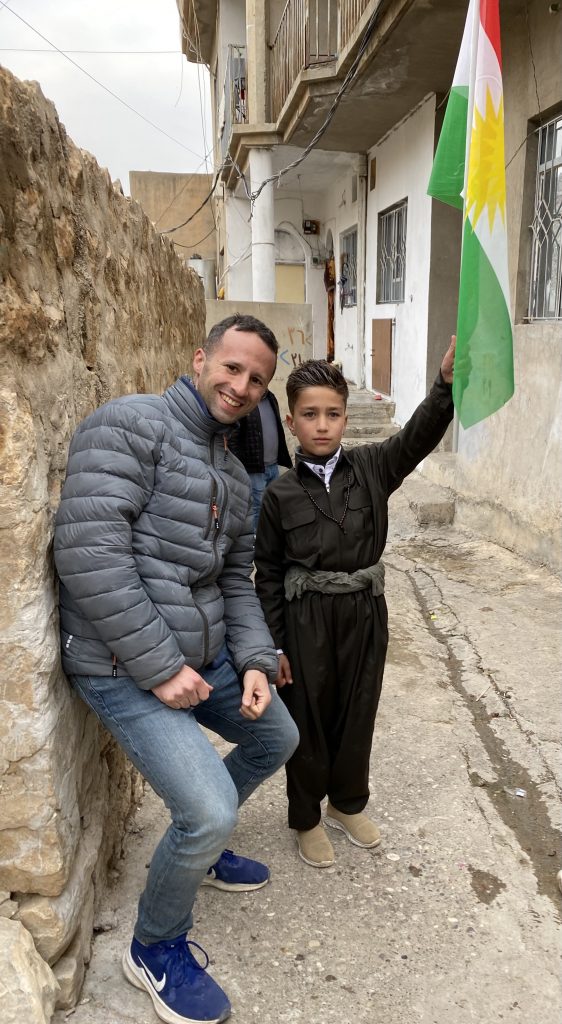
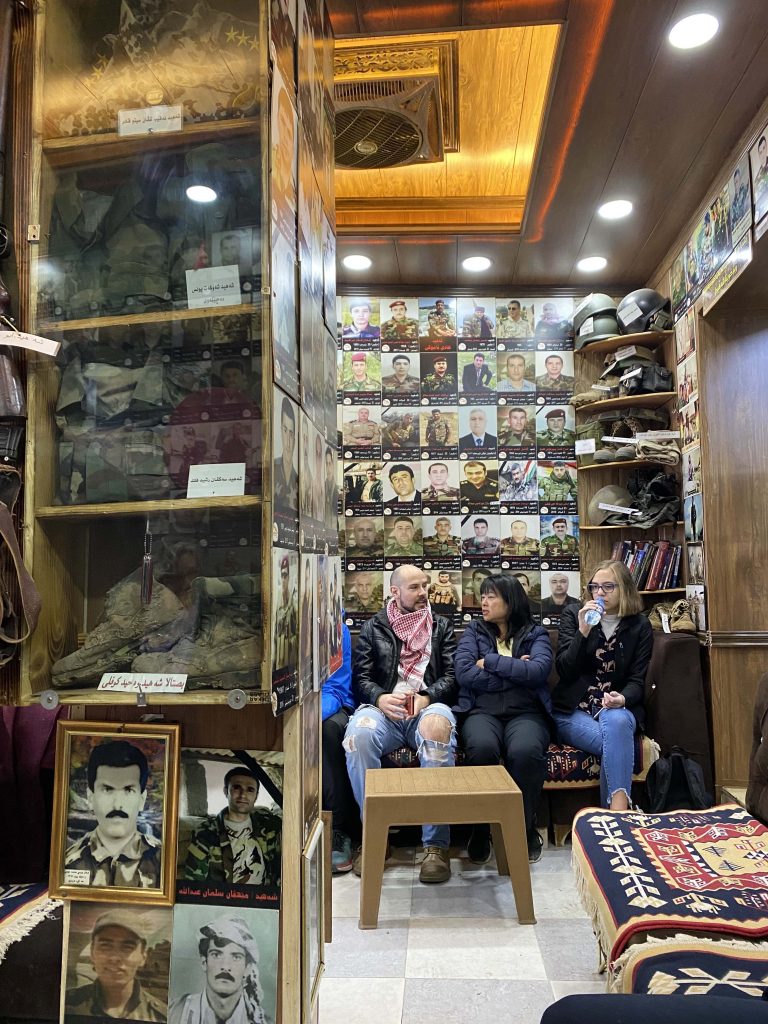
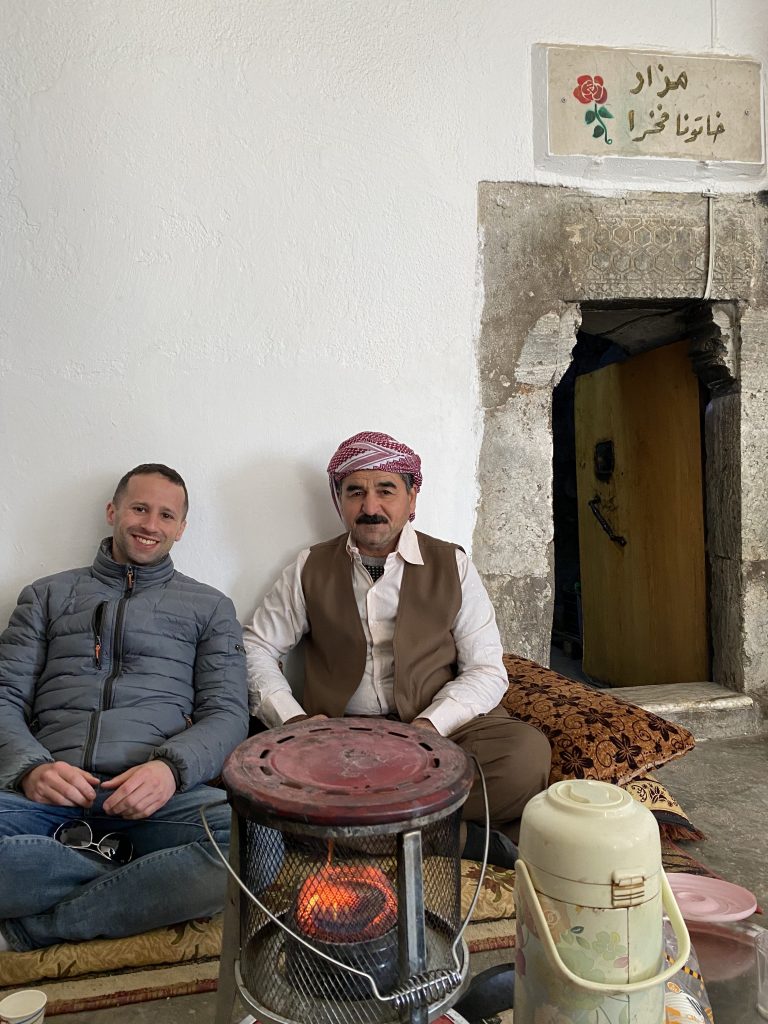
The Graveyard & Monument for the Barzani Victims of Genocide displays the remains of 8,000 Kurdish boys and men from the Barzani tribe, who were alleged to have supported Iran during the Iran-Iraq War. In July 1983, Barzani men, some as young as 10 years old, were kidnapped by Saddam Hussein’s regime and never heard from again. It was only after Saddam Hussein’s defeat in 2003 that mass graves were discovered in the south, and the mystery surrounding their disappearance was solved. The haunting museum features identification documents, clothing and even prosthetic teeth belonging to the victims, some of whom were buried alive in mass graves.
We were the only tourists at Lalish, the holiest site for the 4,000-year-old Yazidi religion, which ISIS considered devil worship. The Yazidis have some unique traditions, including a prohibition of wearing the colour blue and consuming pumpkin, fish and lettuce. I had first heard of the Yazidis when it was reported that ISIS was killing Yazidi men and selling Yazidi women as sex slaves. This atrocity made international headlines when former Yazidi sex slave Nadia Murad was awarded the 2018 Nobel Peace Prize. Thanks to ISIS, there are possibly today more Iraqi Yazidis living in Germany than in Iraq itself.
Together with over 100,000 spectators from throughout the country, we descended on the village of Akre, also known as the capital of Nowruz, the Persian New Year. From our seats on the rooftop of a barber shop, we watched hundreds of locals climb the village’s tallest mountain at sunset carrying torches to mark the beginning of the new year, followed by fireworks and dancing in the street. We took the celebratory machine gun fire as our cue to return to our hotel.
Despite being in Iraq, I felt completely safe in Kurdistan, and encourage others looking to travel off the beaten track to visit. At the end of my weeklong stay, I felt enriched from learning about the resiliency of the Kurdish people, who I hope one day receive the independent country for which they have suffered immensely.
Dan Brotman is a 35-year-old travel enthusiast based in Windsor, Canada. Iraq was his 73rd country to-date.




Join our newsletter!
Enter your email to receive our latest newsletter.
Don't worry, we don't spam
Popular Articles

Visiting Diriyah the Remarkable Cradle of the Saudi State
Unknown
Uzbek Trains 8211 the Best Network in the World
Unknown
Will the Darvaza Crater be Extinguished by Turkmenistans Government
Unknown
What Are the 10 Largest Stadiums in the World
Unknown
Drone Photography Guidelines in China for 2025
Unknown
Syria Travel Update
Unknown
North Korea to reopen to tourism in Rason
Unknown
YPT now offers free Internet access on all Greenland Svalbard and Antarctica cruises
UnknownRelated Articles
Visiting Diriyah the Remarkable Cradle of the Saudi State
George MorrisUzbek Trains 8211 the Best Network in the World
George MorrisWill the Darvaza Crater be Extinguished by Turkmenistans Government
George Morris
What8217s the cheapest way to get from North Korea to Singapore
Alistair Riddell
The Sakhalin Koreans A Complex Legacy
Gareth JohnsonFeatured Tours
Afghanistan Spring Tour
8 Nights, 8 DaysStart Date: May 19th 2025
Algeria, Mauritania, Mali and Burkina Faso Combo Tour
26 Nights, 26 DaysStart Date: January 14th 2022
75th Anniversary Party Foundation Day & Mount Kumgang Tour With Mass Games
8 Nights, 8 DaysStart Date: October 8th 2020
All Koreas Part 1: North Korea Borderlands
7 Nights, 7 DaysStart Date: June 13th 2025