


 By Gareth Johnson
 September 6, 2017
 0
0Is it Ethical to Travel in Tibet?
For seasoned travelers, especially for those who like going places “off the beaten track”, the question of ethics in tourism is not uncommon.
Should I go to Chechnya when there is such clear homophobic violence being legitimated by the state? Should I go to Myanmar when the persecution of the Rohingya people is so obvious? Should I go to Socotra when the UAE is possibly doing its utmost to colonize the island and claim it form Yemen? Or should I worry about the ecological imprint of tourism on such a place as Socotra?
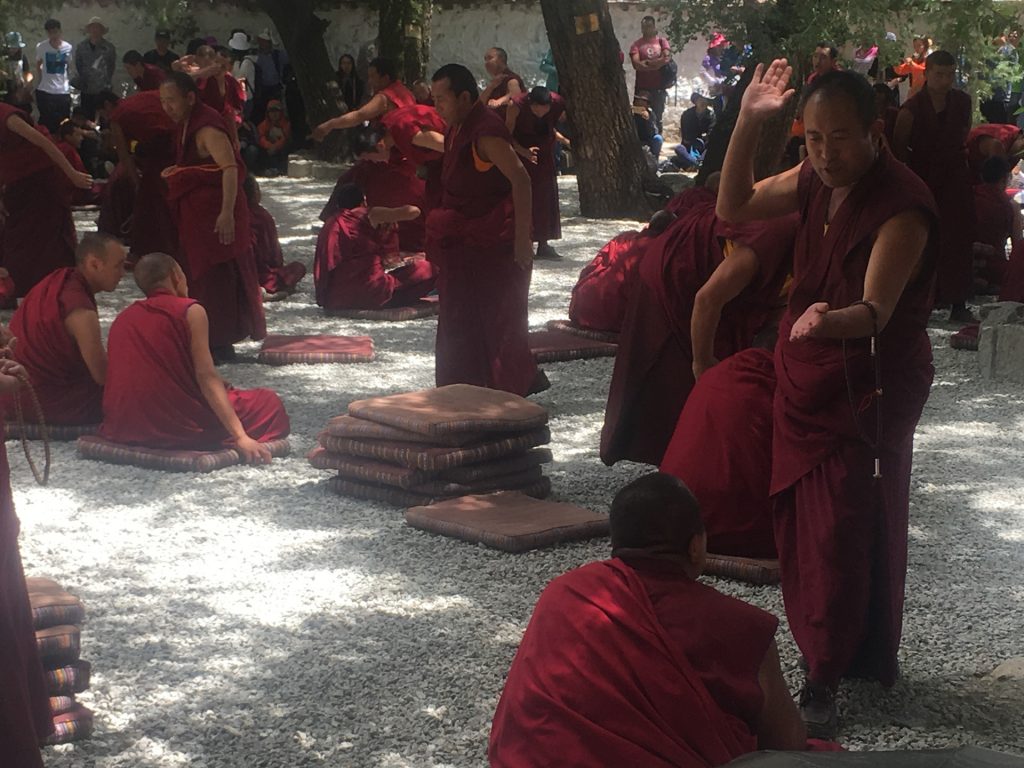
And then there is the question of Tibet; illegally occupied or peacefully liberated depending on your political persuasion. Tibet is vast, and it’s land is the source of a large amount of river water on this planet, and is home to a unique mountain people culture. Both of which are of course also impacted on by tourism.
The short answer from YPT for this question is: yes. And here are three reasons why:
1. Tourism is good for the local economy
Tibet is a harsh place to live. There’s no real agriculture to speak of and traditionally most of the Tibetans who were not monks would have been involved in herding livestock – yaks and sheep – and living a nomadic life at an altitude of 3000-5000 meters.
Now, like many places around the world, young people do not want to work on the land and want to move to the city. This is for cultural stigmas as well as economic reasons. Tourism brings in money and opportunities for small businesses, but of course, you can choose to eat your meals, buy your souvenirs and sleep at night in local Tibetan run establishments.
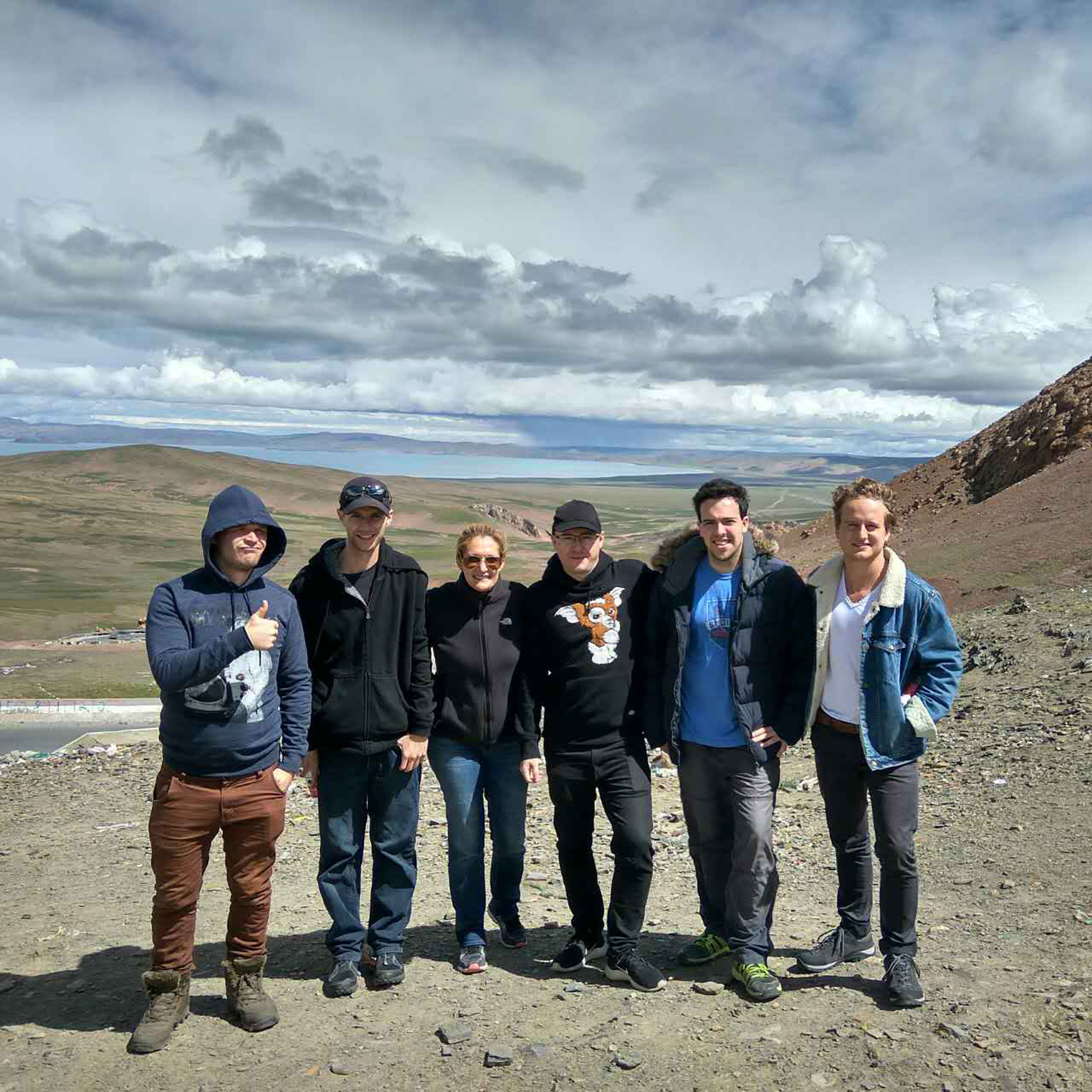
2. Ethnic monikers are misleading; there is no simple Tibetan versus Han Chinese dichotomy.
In reality there are all kinds of Tibetans. Some welcome development and greater employment and education opportunities brought by tourism, and some want to make sure the benefits of tourism are enjoyed by the Tibetans themselves. Some want to live their traditional life of prayer and pilgrimage and some who want to go to find an office job in Xining or Lanzhou, wear jeans and drink coffee.
Our guide in Lhasa recently confessed to us that “my children don’t really want to pray, and they don’t learn Tibetan that well, so it is even hard for them to communicate with their grandparents. The generation gap now is huge.”
In part, the problem of Tibet is the problem of globalization and modernity, not just ethnicity and nation.
3. Practice engagement and go and see for yourself!
Tibet was not and is not what the Free Tibet people would have you believe, and nor was it or is it what the CCP would have you believe. Myths abound, whether it’s that Tibetans are not allowed to learn in their own language or practice their religion, or that Tibetans all hate Han Chinese.
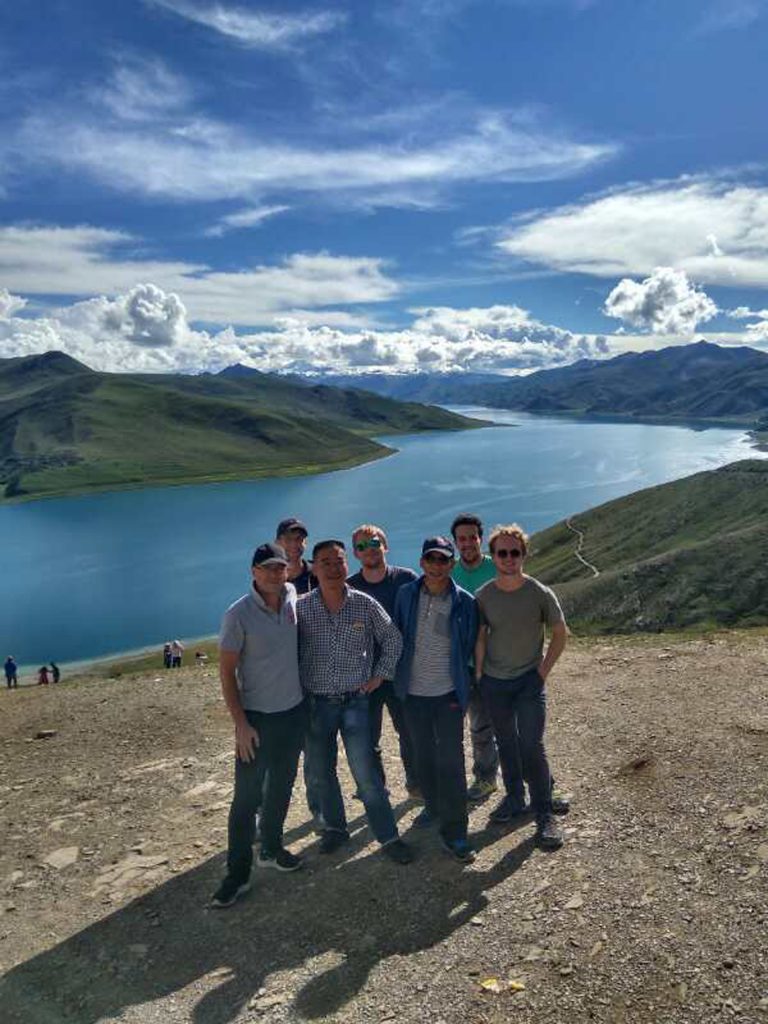 But in Tibet you are not only able to see what the government allows you to see, it’s not like North Korea, you can wander around and speak to whomever you please.
On a recent tour while in Gyantse, our guide showed us the monument to the leader of the Chinese army that defeated the British in the region and smiled to us. “Actually, the Dalai Lama at the time negotiated the exit of the British, there was no ‘war’ to speak of but the CCP tries to tell us their own version of history.”
In a nutshell then, travel far and wide – engagement is almost always better than a boycott. But do it in an informed way and with an open mind to make the most out of trips to some of the most far-flung corners of the world!




Join our newsletter!
Enter your email to receive our latest newsletter.
Don't worry, we don't spam
Popular Articles

Visiting Diriyah the Remarkable Cradle of the Saudi State
Unknown
Uzbek Trains 8211 the Best Network in the World
Unknown
Will the Darvaza Crater be Extinguished by Turkmenistans Government
Unknown
What Are the 10 Largest Stadiums in the World
Unknown
Drone Photography Guidelines in China for 2025
Unknown
Syria Travel Update
Unknown
North Korea to reopen to tourism in Rason
Unknown
YPT now offers free Internet access on all Greenland Svalbard and Antarctica cruises
UnknownRelated Articles
Visiting Diriyah the Remarkable Cradle of the Saudi State
George MorrisUzbek Trains 8211 the Best Network in the World
George MorrisWill the Darvaza Crater be Extinguished by Turkmenistans Government
George Morris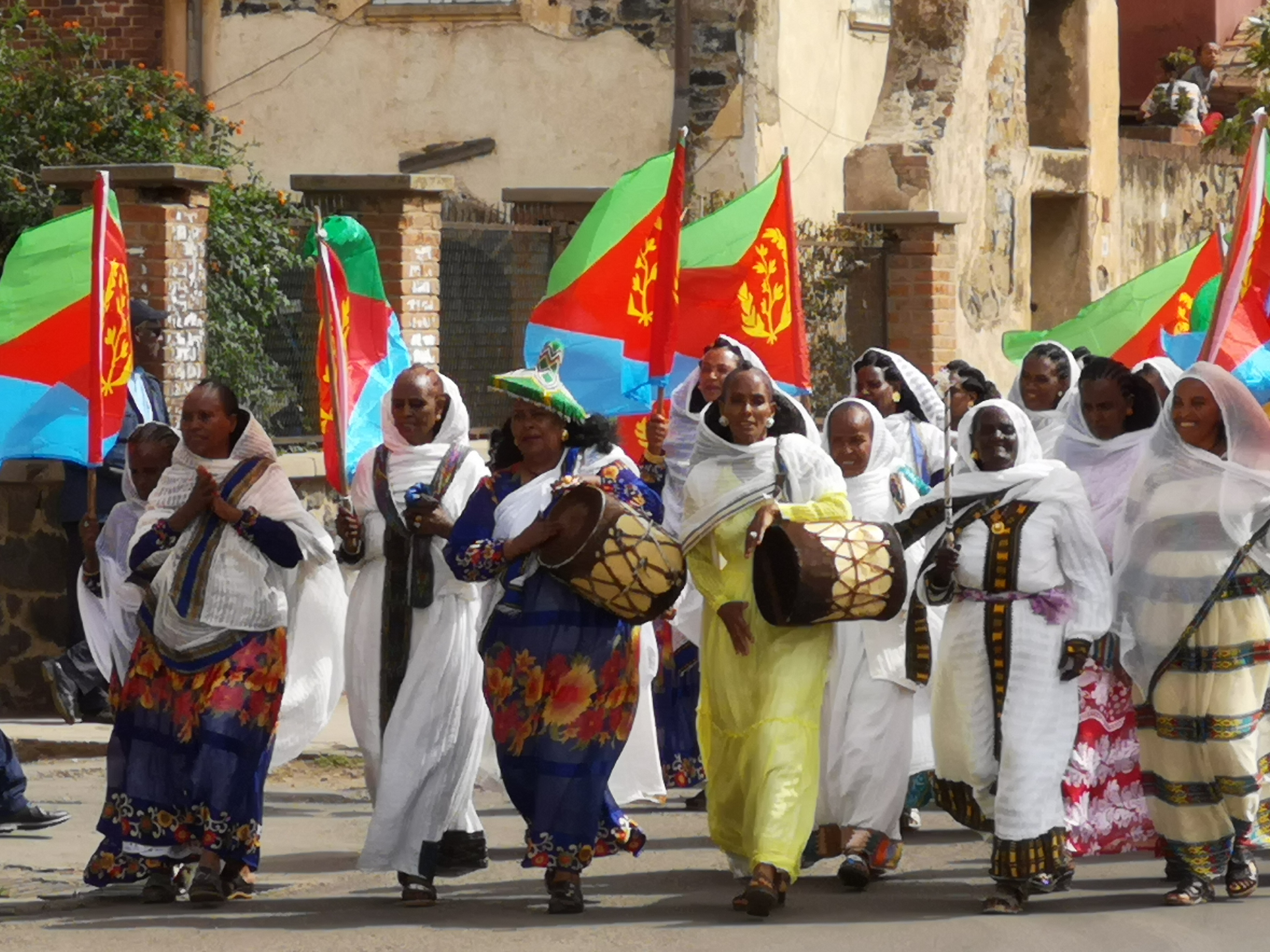
Is Eritrea truly the 8220North Korea of Africa8221
Pier Doyon
MiddleEast Travel Advice 8211 January 2025
Gareth JohnsonFeatured Tours
Afghanistan Spring Tour
8 Nights, 8 DaysStart Date: May 19th 2025
Algeria, Mauritania, Mali and Burkina Faso Combo Tour
26 Nights, 26 DaysStart Date: January 14th 2022
75th Anniversary Party Foundation Day & Mount Kumgang Tour With Mass Games
8 Nights, 8 DaysStart Date: October 8th 2020
All Koreas Part 1: North Korea Borderlands
7 Nights, 7 DaysStart Date: June 13th 2025